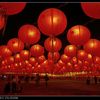


TOPIC: Chinese New Year
WARM-UP: What things come to mind when you think of Chinese New Year? What does Chinese New Year mean to you?
- Spend one minute writing down all of the words you associate with Chinese New Year. Share your words with other students and talk about them.
OBJECTIVES: Today, we will focus on learning about Chinese New Year. This is important to learn because it is the most important traditional Chinese holiday celebrated in Taiwan. This session will help you talk about the event, vocabulary, and conversations that take place about this topic in English. By the end of this class, you will be able to comfortably talk to visitors, co-workers, and friends about Chinese New Year in English.
LEARNING ACTIVITIES:
A: BEFORE READING:
- VOCABULARY: Match the following pictures to the vocabulary words below:


- As a class, create a word cluster from the words in the Warm-Up and the Matching Exercise above on the whiteboard. Add any other words or phrases that come to mind. Then, divide the words into groups. Useful groupings may include:
| Preparations | Food | Clothing | Activities/Practices |
| Decorations | Superstitions | Greetings | Feelings/Emotions |
B: WHILE READING:
- Read the following two paragraphs about Chinese New Year.
- Circle or underline all of the words that you do not understand.
Chinese New Year is the most important of the Chinese holidays. Many people who live outside China call it the Lunar New Year. People celebrate this holiday all across the world. Chinese New Year’s Day begins on the first day of the first lunar month in the Chinese calendar. It ends on the 15th day. This day is called the Lantern Festival and is another time to celebrate and have a party. Chinese New Year’s Day changes every year because of the Chinese zodiac. The exact day depends on if it is the year of the dragon, rat, horse, dog, etc. It is always sometime between January the 21st and February the 20th. The Chinese are not in agreement which year it is. In 2008, it could be the year 4645, 4705 or 4706 in China.
The first day of the Chinese New Year is when Chinese people welcome the different gods to their homes. There are many superstitions on this day. Many people believe that not eating meat will bring them a long life. Others believe it is bad luck to light fires so many people cook the day before. Other bad luck things to do on New Year’s Day are getting a hair-cut, sweeping the floor and buying books. The most important thing to do on this day is to visit your family. Children like this day because they get money from their older relatives. It is a very festive time. People hang red lanterns from their houses and cook all kinds of traditional food. It is also very noisy as people let off firecrackers and fireworks in the street to celebrate.
C: AFTER READING:
- How is Chinese New Year celebrated in Taiwan? Divide into groups and complete the following chart from the activity in A2 above. This will help you talk to foreigners about Chinese New Year and answer the questions that they have.
| Group name | How? What? Why? Who? Where? When? |
| Preparations | |
| Food | |
| Clothing | |
| Activities/Practices | |
| Decorations | |
| Superstitions | |
| Greetings | |
| Feelings/Emotions |
- QUESTIONS: Discuss the follow questions as a class:
- How do Chinese New Year celebrations differ today than from traditional celebrations many years ago?
- What is considered good luck or bad luck around Chinese New Year?
- How are Chinese New Year celebrations similar to Christmas and New Year’s celebrations in other parts of the world?
- How are Chinese New Year celebrations not similar to Christmas and New Year’s celebrations in other parts of the world?
- What do you like most about Chinese New Year?
- What do you like least about Chinese New Year?
- What are the 5 most important things to tell a foreigner about Chinese New Year?
- REVIEW: Review the concepts learned during the session.


No comments:
Post a Comment